Simplify Complex Ideas with a Four-Step Infographic
In today’s fast-paced world, clarity is power. Whether you’re pitching a client, training a team, or launching a new blog series, your message needs to cut through the noise instantly. This is where the power of a structured visual template comes in, specifically a Four Steps Business Infographic Template. It’s more than just a graphic; it’s a communication framework designed to transform intricate processes, data points, or strategic plans into an easily digestible visual story.
Why a Structured Visual Template Matters
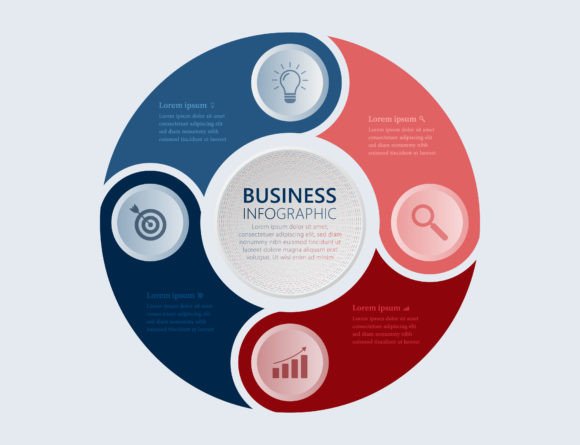
We process visual information 60,000 times faster than text. A list of four bullet points in a presentation is forgettable. The same four points, presented as a compelling circular diagram or a clean sequential flowchart, becomes memorable. The Four Steps Business Infographic Template provides this exact structure. It acts as a ready-made canvas, allowing you to focus entirely on your content—your four key phases, pillars, or actions—instead of wrestling with design software from scratch.
The core strength of this template is its inherent simplicity and focus. The “four-step” constraint is surprisingly powerful. It forces distillation, helping you prioritize the most critical elements of your message. This makes it ideal for explaining foundational business cycles (like Plan, Execute, Review, Optimize), showcasing a product’s key features, or outlining a learning module’s stages. Its notable quality is its versatility; the same underlying template can be adapted to look sleek and corporate for a boardroom or vibrant and engaging for a social media post.
Core Characteristics and Format Flexibility
When you acquire a Four Steps Business Infographic Template, you’re typically getting a multi-format asset pack. This includes source files like EPS and SVG for scalable, editable vector work, DXF for CAD compatibility, and ready-to-use raster files like PNG and JPG. This variety is a major practical benefit.
- EPS/SVG Files: These are the gold standard for professionals. They allow unlimited scaling without quality loss and let graphic designers customize every color, shape, and text element to match your brand perfectly.
- PNG/JPG Files: These are your go-to for quick implementation. Bloggers, educators, or freelancers can drop them into Canva, PowerPoint, or a website editor immediately, adding their text over the clean background.
- DXF Files: For more technical or manufacturing applications, this format can be useful for integrating the diagram into other technical documentation.
This format range means one template serves a wide audience: from a marketing agency doing high-end client work to a solo entrepreneur preparing a webinar slide.
Real-World Applications Across Fields
The utility of this template stretches far beyond its name. It’s a tool for any project that benefits from clear, staged communication.
In Marketing and Advertising, use it to visualize a customer journey: Awareness, Interest, Decision, Action. It can frame a campaign’s rollout phases or explain a service’s onboarding process in an ad brochure. For Educators and Course Creators, it’s perfect for outlining module progression, illustrating a scientific process, or providing a visual syllabus. Each circle or step becomes a clear learning milestone.
Entrepreneurs and Business Owners can deploy it in investor pitches to show growth strategy, in internal manuals to clarify operational workflows, or on their website to explain their unique value proposition in four pillars. Freelancers and Creators can use it to package their service offerings—like the four stages of a design project: Consultation, Draft, Revision, Delivery—adding professionalism to their proposals.
Even for personal or hobby projects, such as planning a community event or visualizing a personal goal-setting method, the template provides a satisfying structure that makes planning feel more organized and achievable.
Tangible Benefits: Beyond Just Looking Good
Implementing a pre-designed Four Steps Business Infographic Template offers concrete advantages that impact both efficiency and outcome.
First, it saves significant time and resource. Instead of hours spent on layout, alignment, and icon selection, you start at a 90% finished design. This efficiency boost lets you channel energy into refining your message, not your graphic. Secondly, it enhances audience engagement and comprehension. The visual hierarchy guides the viewer’s eye logically through your narrative, improving retention. In a sales context, this can shorten the path to understanding and conversion.
Thirdly, it promotes brand consistency. When you adapt the template’s colors and fonts to your brand kit, you create a reusable visual asset. Using the same styled template for different topics across your website, social media, and reports builds a cohesive, recognizable professional identity. Finally, it improves the user experience for your audience. A complex text-heavy document becomes a friendly, approachable diagram, lowering the cognitive load for your readers or clients.
Practical Considerations for Selection and Use
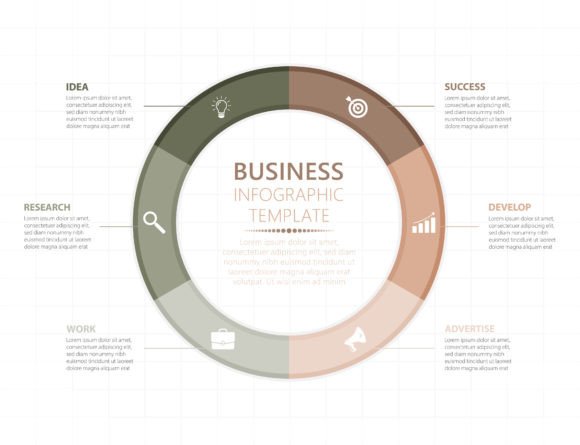
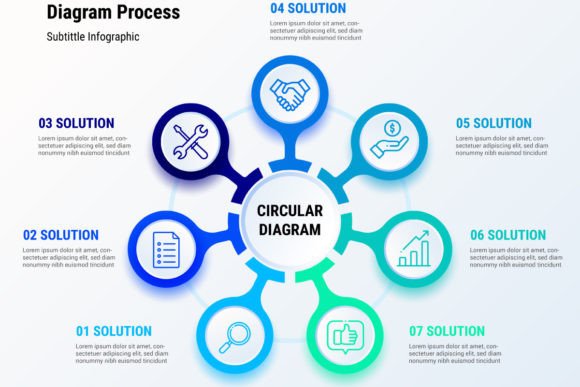
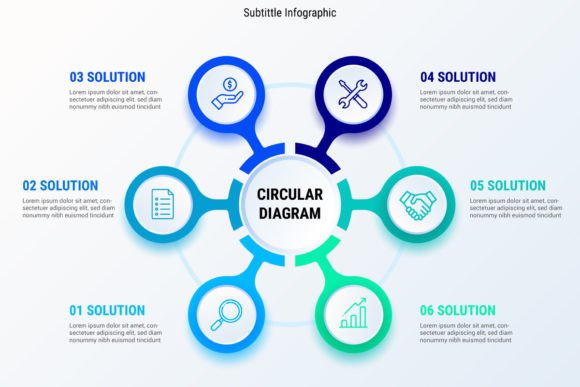
Not every four-step template is right for every need. When evaluating, look beyond the aesthetic. Consider the flow and metaphor of the base design. Is it a circular pie chart suggesting a cyclical or continuous process? Is it a linear flowchart implying a sequence with a start and end? Choose the one that intuitively matches your content’s nature.
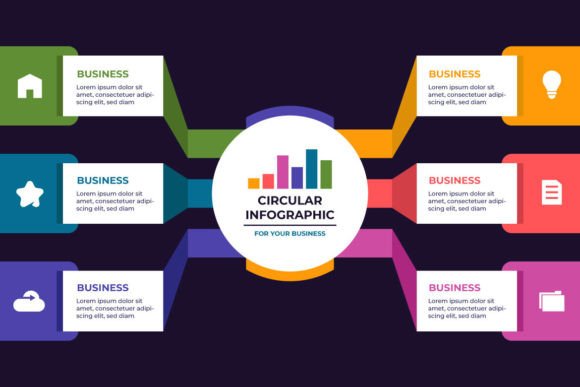
Check the editable depth of the source files. Can you easily change the background? Are the text boxes separate elements? This determines how much you can tailor it. Also, assess its visual weight. A template with minimal icons and thin lines suits a formal report, while one with bold colors and symbolic icons is better for public presentations or online content.
When using the template, resist the urge to overcomplicate. The template’s job is to simplify. Fill each step with one core idea, not three. Use concise, active language for labels. Remember, the graphic should support your explanation, not replace it; pair the infographic with succinct verbal or written commentary to maximize its impact.
Ultimately, the Four Steps Business Infographic Template is a bridge between your complex idea and your audience’s understanding. It’s a practical tool that democratizes good design, enabling anyone with a message to present it with the clarity and confidence of a seasoned professional. By leveraging its structure and flexibility, you can enhance communication across virtually any project, turning information into insight and plans into persuasive visual stories.