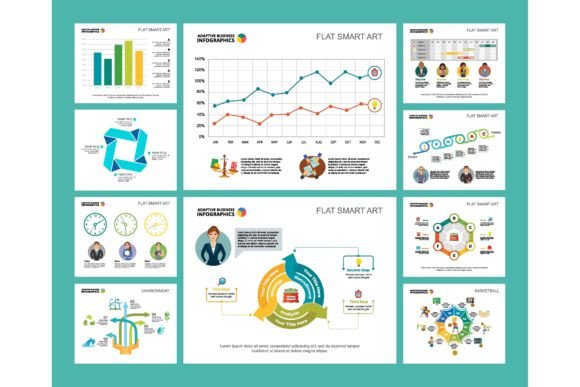
Colorful Basketball: A Creative Bridge to Ecological Awareness
The vibrant energy of a basketball court and the urgent need for ecological stewardship might seem worlds apart. Yet, the Colorful Basketball and Ecology Concept deliberately merges these spheres to create a powerful and visually engaging communication tool. This is more than just an aesthetic choice; it is a strategic design philosophy that uses the universal appeal of sport—its dynamism, teamwork, and goal-oriented action—to frame and promote ecological messages.
What makes this concept so interesting is its inherent versatility and emotional resonance. Basketball imagery is associated with action, precision, and scoring points. Ecology focuses on systems, balance, and long-term health. Combining them through a colorful, graphic style transforms data and abstract concerns into something relatable, energetic, and hopeful. The "colorful" aspect is key: it moves away from stereotypical green-only environmental imagery, employing a full spectrum to represent diversity, specific metrics (like pollution levels or species count), or different facets of a sustainability program.
Creative Applications and Project Ideas
The core idea can be interpreted and applied in countless ways. An infographic chart set using this concept might depict "points scored" as trees planted, with different jersey colors representing various community teams involved in a reforestation drive. A player's shot trajectory could visualize a company's carbon reduction roadmap, from baseline to net-zero target. The court itself becomes a pie chart or a map, with its sections highlighting different areas of environmental impact or conservation effort.
Consider these practical applications:
- Corporate Sustainability Reports: Replace dry charts with infographics where a basketball's journey through a play diagram illustrates a product's lifecycle analysis. Colorful player icons can represent different departments' contributions to energy-saving goals, making the report more engaging for internal and external stakeholders.
- Advertising Campaigns for Eco-Products: Use the imagery for a sports apparel brand launching a recycled material line. An advertisement could show a colorful basketball composed of recycled plastic fragments, merging the product's origin with its end-use in a visually striking way.
- Educational Leaflets and Posters: For schools or community centers, a poster can frame local biodiversity as a "team." Each colorful player icon represents a different native species, and the "game plan" outlines how to protect their habitat. This makes ecological education more accessible and memorable for younger audiences.
- Presentation Slide Templates: A slide deck for a green tech startup can use basketball court motifs as a consistent backdrop. Key milestones are presented as "quarter scores," and competitive advantages are shown as strategic "plays" against environmental challenges.
Adapting the Concept for Different Audiences and Goals
The success of this concept lies in its adaptation. A marketer targeting young adults might emphasize the bold colors and athletic energy to convey a message of proactive, collective action. An educator might simplify the charts, focusing on clear iconography and using the basketball theme to create a game-like learning module. A corporate designer preparing an annual report would balance creativity with formal data integrity, ensuring the colorful basketball metaphors accurately represent the underlying statistics.
For Community Initiatives
Local environmental groups can use this style in volunteer recruitment leaflets. A design showing a crowded, colorful "bench" of substitute players can symbolize community support, with the call to action: "Join the Team." It translates passive concern into an invitation for active participation.
For Internal Business Communications
Managers can use presentation templates based on this concept to rally teams around sustainability KPIs. Framing a yearly goal as a "season championship" to reduce waste makes the objective feel more dynamic and collaborative. Different project teams can be assigned different vibrant colors, fostering a sense of identity and friendly competition towards a common ecological goal.
Maintaining Clarity and Effectiveness
While the concept encourages creativity, the primary goal remains clear communication. The visual metaphor must serve the data, not obscure it. Keep these principles in mind:
- Consistency is Key: Define a color palette with specific meanings (e.g., blue for water conservation, orange for energy) and use it consistently across all charts and slides.
- Anchor with Real Data: Every basketball hoop representing a target should correspond to a real metric. The fun, graphic approach builds engagement, but its foundation must be factual.
- Know Your Audience: For a financial audience, a more subdued, diagrammatic take on the colorful basketball concept might work best. For a public campaign, bold, poster-like graphics are more effective.
- Balance Originality with Familiarity: The basketball elements should be recognizable enough to trigger the intended associations of teamwork and achievement, even if stylized. This ensures the metaphor is understood instantly.
The Colorful Basketball and Ecology Concept is ultimately a bridge. It leverages the widespread cultural understanding of sport to make ecological discourse more approachable, more dynamic, and more visually compelling. It turns sustainability reports into stories of progress, educational materials into engaging games, and advertising into memorable calls to action. By thoughtfully adapting its colors, symbols, and structures, creators, businesses, and educators can communicate vital messages with energy, clarity, and a splash of inspired color.