Using Infographics to Communicate Healthcare Topics Clearly
In today's world, clear communication is vital. In healthcare and medicine, it's even more critical. Whether you're explaining a treatment plan to patients, presenting research findings to colleagues, or creating educational materials for the public, the way you present information matters. This is where a Medicine Infographic Chart Template Set becomes an incredibly useful tool.
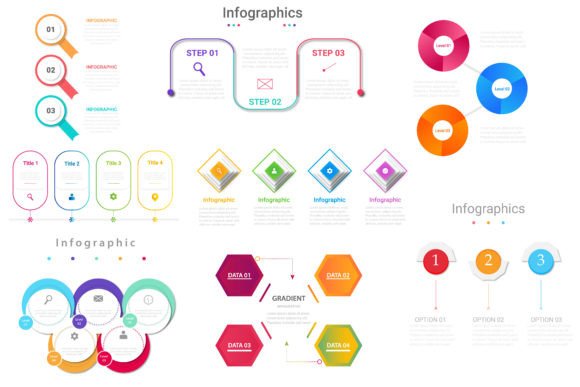
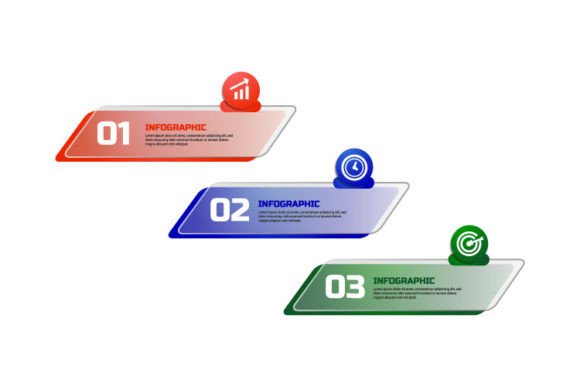
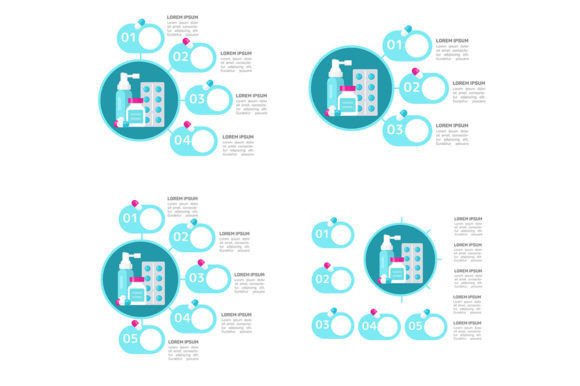
A Medicine Infographic Chart Template Set is a collection of pre-designed, professional graphics tailored specifically for medical and health-related topics. These templates are not just random illustrations; they are structured visual frameworks. They include abstract vector charts with blank copy spaces, instructional graphics with step-by-step sequences, and layouts designed for visual data presentation. Think of them as a visual toolkit designed to help you organize and present complex medical information in a way that is easier to understand and more engaging to look at.
Why Visuals Matter in Health Communication
Medical information is often dense, filled with statistics, processes, and technical terms. A wall of text can be intimidating and difficult to absorb, especially for someone who is anxious about a health issue or new to a topic. Infographics transform that text into a visual story. They combine icons, charts, diagrams, and short text blocks to guide the viewer through the information logically. For instance, a step sequence graphic can perfectly illustrate the stages of a treatment protocol or the lifecycle of a virus, making the process clear at a glance.
The main purpose of these template sets is to save you time and elevate your communication's quality. Instead of starting from a blank canvas, you begin with a professionally designed structure. You can focus on your content—the vital data, the key steps, the important warnings—while the template handles the visual cohesion and layout. This is especially valuable for individuals and organizations without dedicated graphic design resources.
Who Benefits from Medical Infographic Templates?
The appeal of a Medicine Infographic Chart Template Set is broad. It supports a wide range of goals across different fields.
- Healthcare Professionals & Clinics: Doctors, nurses, and physiotherapists can use them to create patient handouts explaining conditions, recovery exercises, or medication schedules. A clinic might use them for lobby posters about preventive care.
- Health Educators & Trainers: University professors, corporate wellness trainers, or public health advocates can incorporate these visuals into their presentations, course materials, or community awareness campaigns to make lessons more memorable.
- Medical Researchers & Scientists: When presenting study results at a conference or in a journal supplement, an infographic can summarize key findings more effectively than a table of raw data.
- Content Creators & Marketers: Bloggers focusing on wellness, pharmaceutical companies communicating product benefits, or health app developers explaining features can use these templates to create compelling website content, social media posts, or email newsletters.
- Small Business Owners in Related Fields: A fitness studio owner might use a step-sequence template to explain a new class format. A nutrition supplement company could use a chart to visualize ingredient benefits.
The common thread is a need to explain, persuade, or educate on a health-related topic, coupled with a desire to do so with clarity and visual impact.
Key Characteristics and Practical Value
A high-quality Medicine Infographic Chart Template Set offers specific features that provide real value. The "abstract vector info chart with blank copy spaces" means the core design is scalable and editable without losing quality, and the designated text areas tell you exactly where to place your information. The inclusion of multiple product file formats like JPEG, AI, PNG, EPS, and SVG is crucial. This ensures compatibility with different software and use cases.
You might use a JPEG or PNG for quick digital publishing on a website. The SVG and EPS formats, being vector-based, allow for infinite resizing—perfect for both a small web graphic and a large printed brochure without any pixelation. The AI format is for users of Adobe Illustrator, enabling deep, custom editing of every design element. This flexibility means one template set can serve dozens of projects over time.
Consider a freelance health writer creating a series of articles on heart health. They could use the same chart template, populate the copy spaces with different statistics each time, and output it as a PNG for their blog. Later, a hospital's communications department might take that same template, adapt it with their branding colors in Illustrator (using the AI file), and use the EPS file to print it as a large poster for their cardiac ward. The template facilitates consistency and professionalism across diverse applications.
Important Considerations Before Choosing a Template Set
While the utility is clear, it's wise to consider a few points before selecting and using a Medicine Infographic Chart Template Set. First, assess your own technical comfort level. If you are a beginner, look for sets that include straightforward formats like PNG alongside well-documented instructions. Many designers, like BSD Studio, offer not only these vector brochure templates and ready-for-use infographic spreads but also supportive resources.
Second, always check the licensing terms. Most professional template sets are for commercial use, but confirm you have the rights to use them in your specific project, whether it's for a paid client, internal training, or public distribution. Third, think about customization. Does the set include a variety of chart types (pie charts, bar graphs, process flows) that suit your common needs? Can you easily change colors to match your brand? The presence of creative elements for your own designs within the set increases its long-term value.
Finally, remember that the template is a starting point. Its strength is in its structure, but the content you add must be accurate, appropriate, and tailored to your audience. A beautifully designed infographic with incorrect or unclear medical information is worse than a simple, correct text document. The template empowers you to present your expertise visually; it doesn't replace the need for that expertise itself.
Bringing Your Medical Communication to Life
In practical use, these templates help bridge the gap between specialist knowledge and audience understanding. For example, a dentist might use an instructional step sequence graphic to show parents how to properly brush their child's teeth, replacing a verbal explanation that might be forgotten. A wellness blogger could use a visual data chart to compare the nutritional profiles of different superfoods, making the information more digestible than a paragraph of numbers.
The digital and commercial applications are vast. In a lifestyle context, a personal trainer might create an infographic for their clients detailing a workout recovery process. In a business context, a medical device startup could use these visuals in their investor pitch deck to explain a complex technology simply. The goal is always to enhance comprehension and retention.
By leveraging a professionally designed Medicine Infographic Chart Template Set, you are not just making something look better. You are improving how your message is received, understood, and remembered. You're turning data into insight, processes into clarity, and complex topics into accessible knowledge. Whether you are a professional in the field, a creator sharing health tips, or an educator building better materials, these visual tools can help you communicate with the impact and authority your content deserves.